Have medications and therapy not provided the depression relief you need? There’s hope. TMS Therapy in Jacksonville, FL offers a breakthrough, non-invasive solution that’s helping people reclaim their lives from treatment-resistant depression.
At Altitude Health, we specialize in delivering FDA-approved Transcranial Magnetic Stimulation (TMS) therapy with compassionate, personalized care. Our advanced TMS Therapy in Jacksonville, FL, uses targeted magnetic pulses to stimulate areas of the brain associated with mood regulation, without medication, without surgery, and without downtime. We’re also pleased to annoucne that we now offer TMS Therapy at our new St. Augustine location, bringing this same advanced treatment closer to patients throughout the region.

Deep TMS (Transcranial Magnetic Stimulation) therapy uses targeted magnetic fields to gently stimulate specific areas of your brain associated with mood regulation. Unlike traditional TMS, Deep TMS uses advanced coil technology that penetrates deeper brain regions, enhancing treatment outcomes for depression and other conditions.
This FDA-approved treatment is specifically designed for individuals with treatment-resistant depression—those who haven’t experienced adequate relief from traditional antidepressants or therapy alone. Deep TMS is covered by most major insurance providers, making it an accessible option for Jacksonville residents seeking effective mental health care.
At Altitude Health, we understand that reaching out for help takes courage. Our team creates a supportive environment where you can explore whether Deep TMS therapy aligns with your treatment goals and recovery journey.
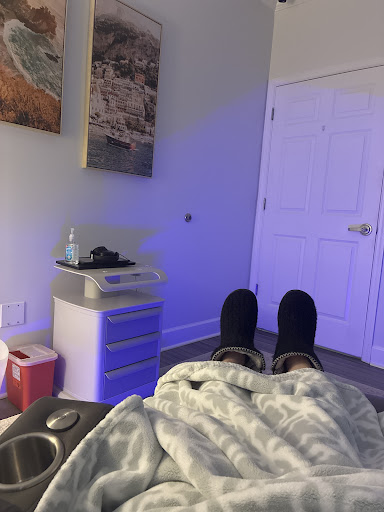
During your Deep TMS session, you’ll sit comfortably in our calming treatment room while wearing a specialized helmet that delivers gentle magnetic pulses to targeted brain regions. These precisely calibrated pulses work to stimulate neural activity in deeper brain areas that may be underactive due to depression.
The magnetic stimulation helps restore normal brain function over time, similar to how physical therapy helps strengthen muscles after an injury. Most patients describe the sensation as a light tapping on the scalp—tolerable and manageable throughout the treatment process.
Your TMS experience includes:
You remain fully awake and alert during treatment, and many patients use the time to read, listen to music, or simply relax. Our team monitors your comfort and adjusts treatment as needed to ensure the best possible experience.
Individual treatment outcomes vary, and your active participation in the treatment process significantly impacts results.
We’ve designed our TMS protocol to maximize effectiveness while prioritizing your comfort and convenience. Our structured approach follows evidence-based guidelines while allowing flexibility to meet your individual needs.
Treatment scheduling considerations: We understand the demands on Jacksonville military families and working professionals. Our Monday through Friday, 9am-5pm hours accommodate various schedules, and we work with you to find appointment times that support consistent attendance—crucial for TMS effectiveness.
Located at 9905 Old St. Augustine Rd, Suite 400, our clinic provides convenient access from NAS Jacksonville, Camp Blanding, Mayport, and throughout the Jacksonville metro area including Southside, Mandarin, Orange Park, and Fleming Island.

TMS therapy is specifically effective for individuals with treatment-resistant depression—typically those who haven’t found adequate relief after trying at least two different antidepressants. This includes many veterans and military families in Jacksonville who may struggle with depression alongside PTSD or other service-connected mental health challenges.
You might be a candidate for TMS if:
TMS may also help with:
At Altitude Health, we evaluate each person individually. Amanda Alexander, PMHNP-BC, with over 15 years of mental health experience, will assess whether TMS therapy aligns with your specific situation, medical history, and treatment goals.
Important considerations: Individual treatment outcomes vary significantly. While clinical research demonstrates TMS effectiveness for treatment-resistant depression, your personal response depends on multiple factors including symptom severity, treatment history, and active engagement in the recovery process.
Clinical research consistently demonstrates TMS therapy’s effectiveness for treatment-resistant depression. FDA approval for TMS reflects extensive clinical trials showing significant improvement in individuals who hadn’t responded to conventional treatments.
Evidence-based outcomes include:
What research tells us: Studies published in peer-reviewed journals including the American Journal of Psychiatry and JAMA Psychiatry demonstrate that TMS therapy can produce meaningful improvement in individuals with treatment-resistant depression (Carpenter et al., 2012; George et al., 2010). These results offer hope to those who may have felt that effective treatment wasn’t possible.
For Jacksonville’s military community, research specifically examining veteran populations shows that TMS can be effective for service-related depression, including cases complicated by PTSD or military sexual trauma (Watts et al., 2012). This evidence base informs our approach to serving those who have served our country.
These research findings provide important context, though individual treatment outcomes vary considerably. Your personal response to TMS therapy depends on your unique circumstances, medical history, and active engagement in the treatment process.
One of TMS therapy’s significant advantages is its excellent safety profile compared to other depression treatments. This FDA-approved therapy has been extensively studied and safely administered to thousands of patients nationwide.
Safety highlights:
Common side effects (typically mild and temporary):
Rare but serious considerations: While extremely uncommon, seizure risk exists with any brain stimulation therapy. Our clinical team thoroughly evaluates your medical history to minimize any risks, and we maintain emergency protocols consistent with TMS safety standards.
Why choose TMS at Altitude Health: Our experienced team prioritizes your safety throughout the treatment process. Amanda Alexander’s 15+ years of clinical experience, combined with our focus on treatment-resistant cases, means we understand how to integrate TMS safely with other aspects of your mental health care.
As with any medical treatment, individual risks and benefits vary. We thoroughly discuss your specific situation during consultation to ensure TMS therapy is appropriate for your circumstances.
At Altitude Health, TMS therapy is part of our comprehensive approach to treatment-resistant mental health conditions. We understand that effective care often requires multiple modalities working together, not just one isolated treatment.
Our integrated services include:
Why integrated care matters: Many individuals with treatment-resistant depression benefit from combining TMS therapy with other treatments. For example, veterans dealing with both depression and PTSD might receive TMS for depression symptoms while using SGB or therapy to address trauma-related aspects of their condition.
Our team coordinates your care to ensure treatments complement rather than conflict with each other. This approach recognizes that mental health recovery rarely follows a single path—it requires flexible, personalized treatment that evolves with your progress.
Serving Jacksonville’s unique needs: As a veteran-owned practice, we understand the specific challenges facing military families in Jacksonville. Whether you’re active duty dealing with deployment stress, a veteran transitioning to civilian life, or a military spouse managing family pressures, we tailor our approach to your reality.

TMS therapy is FDA-approved for adults with treatment-resistant depression—typically those who haven’t found adequate relief after trying at least two different antidepressants. At Altitude Health, Amanda Alexander evaluates each individual to determine if TMS aligns with your treatment goals and medical history.
Veterans and military families in Jacksonville may be particularly good candidates if depression symptoms haven’t improved with traditional treatments, especially when depression coexists with PTSD or other service-connected conditions.
Extensive clinical research demonstrates TMS effectiveness for treatment-resistant depression. FDA approval reflects multiple randomized controlled trials showing significant improvement rates. Studies published in peer-reviewed journals document response rates of 50-60% and remission rates of 30-40% in treatment-resistant populations.
For military populations specifically, research indicates TMS can be effective for service-related depression, including cases complicated by trauma or military sexual trauma.
TMS has an excellent safety profile compared to other depression treatments. The most common side effects are mild scalp discomfort and occasional headaches, which typically decrease after initial sessions.
Serious side effects are rare. Seizure risk exists but occurs in less than 0.1% of treatments. Our clinical team thoroughly evaluates your medical history to minimize risks and maintains emergency protocols consistent with TMS safety standards.
Most patients describe TMS as a light tapping sensation on the scalp. You remain fully awake and alert throughout the 20-40 minute session. Many people read, listen to music, or relax during treatment.
Initial sessions may involve some scalp sensitivity as you adjust to the sensation, but this typically improves quickly. Our team monitors your comfort and can adjust settings as needed.
Standard TMS treatment involves 30-36 sessions over 6-9 weeks. The initial phase requires 5 sessions per week (Monday-Friday) for about 6 weeks, followed by a maintenance phase with 2-3 sessions per week.
Each session lasts 20-40 minutes. Total time commitment is similar to other outpatient medical treatments, and there’s no recovery time—you can drive yourself to and from appointments.
TMS therapy can often be safely combined with existing psychiatric medications. However, some medications may increase seizure risk and require evaluation before starting TMS.
During your consultation, we’ll review all medications, supplements, and medical conditions to ensure TMS safety. Never discontinue psychiatric medications without guidance from your prescribing provider.
Most major insurance providers cover TMS therapy for treatment-resistant depression when medical necessity criteria are met. This typically requires documentation of inadequate response to multiple antidepressant trials.
Our team handles insurance authorization and can provide cost estimates before beginning treatment. We also offer self-pay options for those without insurance coverage.
TMS offers several advantages over alternatives like medication or ECT. Unlike medications, TMS doesn’t cause systemic side effects. Unlike ECT, TMS doesn’t require anesthesia or cause memory problems.
TMS can complement other treatments. Many patients at Altitude Health combine TMS with therapy, medication management, or other interventional procedures as part of a comprehensive treatment approach.
Call Altitude Health at (904) 877-8275 to schedule your free 15-minute consultation. We’re here Monday through Friday, 9am-5pm, serving Jacksonville and surrounding communities with compassionate, evidence-based mental health care.
Located at 9905 Old St. Augustine Rd, Suite 400, Jacksonville, FL 32257. Convenient access from throughout the Jacksonville metro area.
Individual treatment outcomes vary. Your active participation in treatment significantly impacts results. This information is for educational purposes and doesn’t replace professional medical advice.
Carpenter, L. L., Janicak, P. G., Aaronson, S. T., Boyadjis, T., Brock, D. G., Cook, I. A., … & McDonald, W. M. (2012). Transcranial magnetic stimulation (TMS) for major depression: A multisite, naturalistic, observational study of acute treatment outcomes in clinical practice. Depression and Anxiety, 29(7), 587-596.
George, M. S., Lisanby, S. H., Avery, D., McDonald, W. M., Durkalski, V., Pavlicova, M., … & Sackeim, H. A. (2010). Daily left prefrontal transcranial magnetic stimulation therapy for major depressive disorder: a sham-controlled randomized trial. Archives of General Psychiatry, 67(5), 507-516.
Watts, B. V., Landon, B., Groft, A., & Young-Xu, Y. (2012). A sham controlled study of repetitive transcranial magnetic stimulation for posttraumatic stress disorder. Brain Stimulation, 5(1), 38-43.